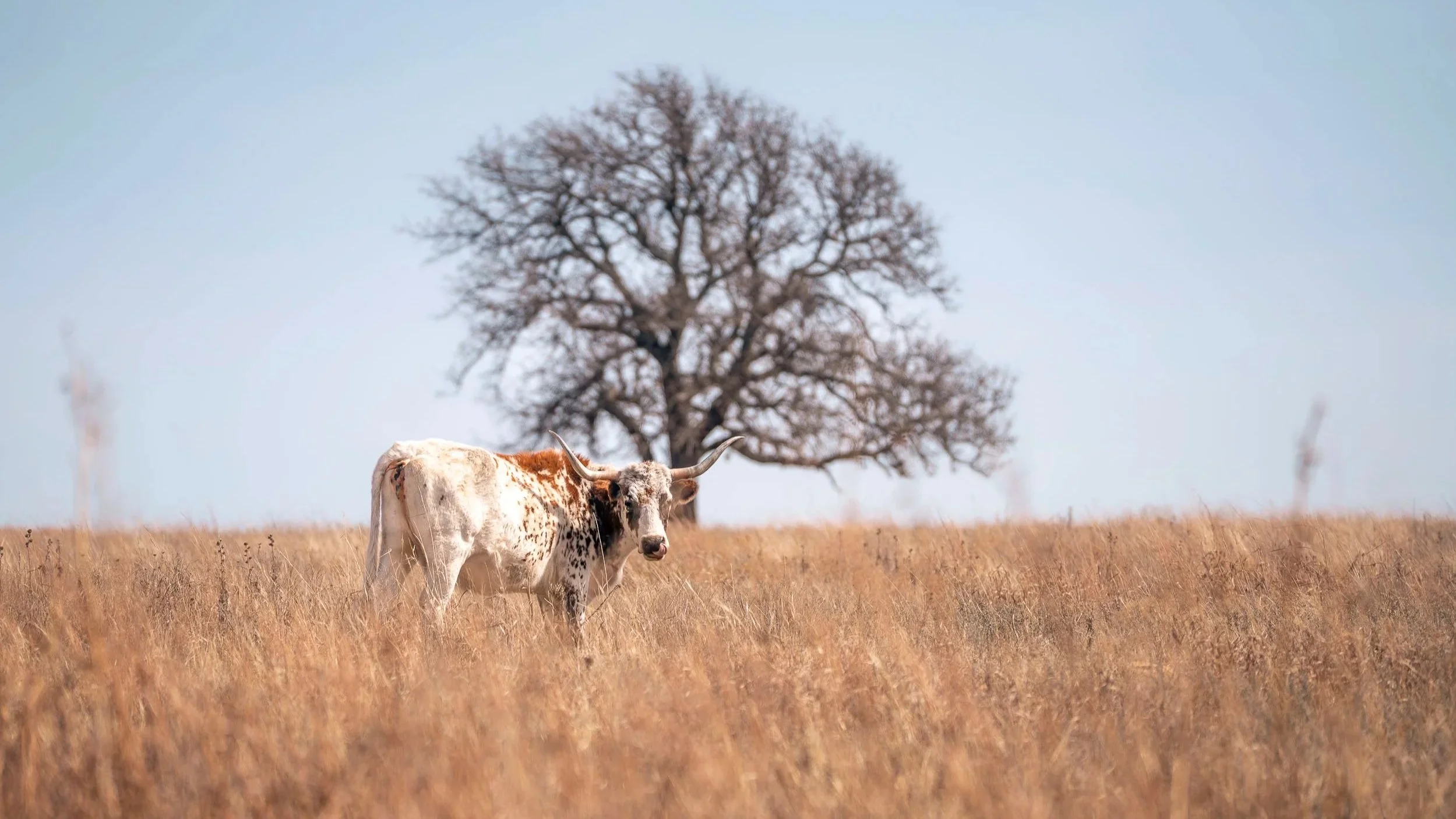
Last month I spent four days exploring the plains of the Wichita Mountains Wildlife Refuge in Oklahoma with a singular goal: photograph as many bison as possible without getting trampled in the process. That last part was made much more attainable thanks to the super telephoto Sigma 300–600mm ƒ4 DG OS | Sports I got my hands on for the trip.
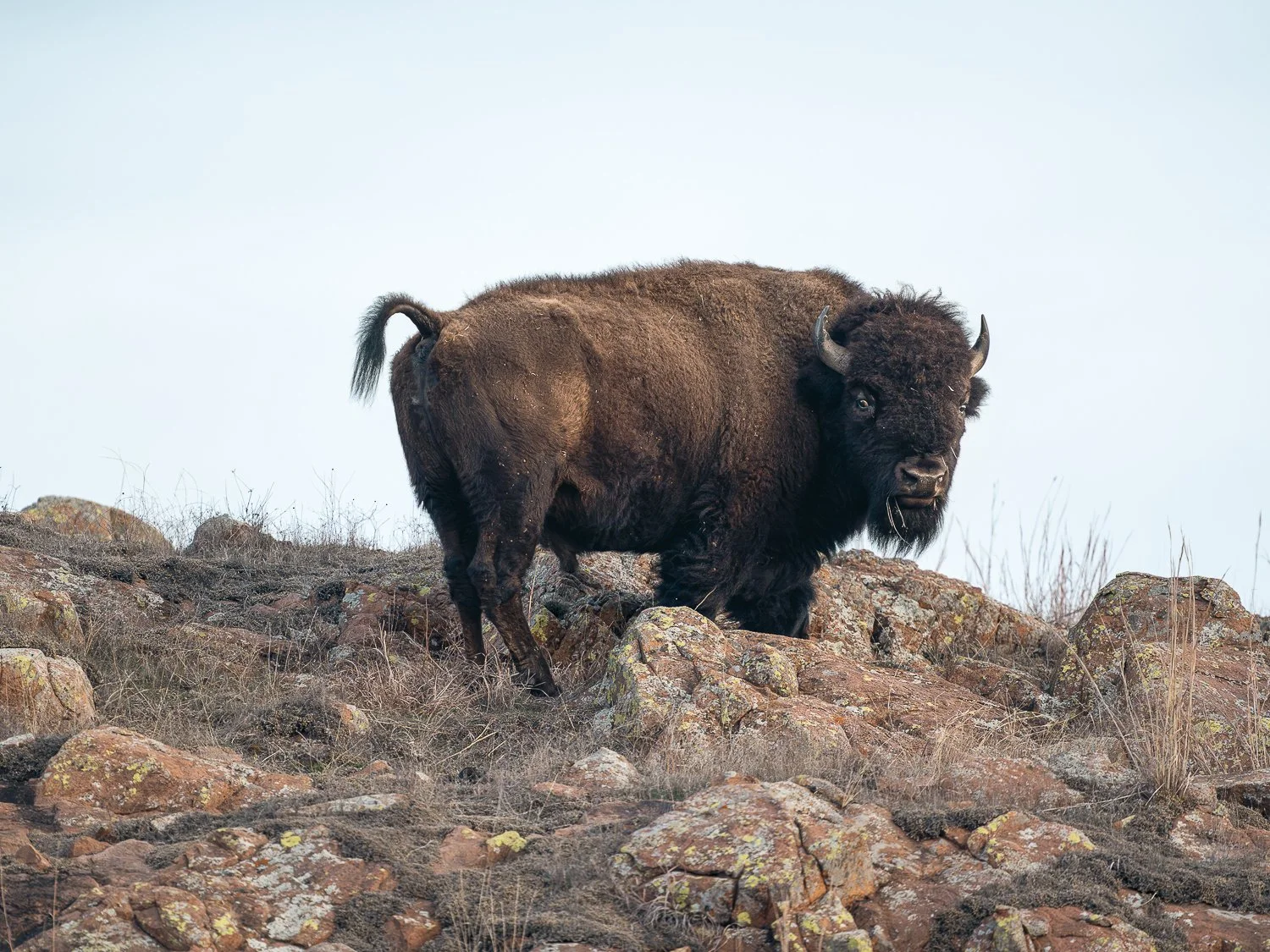
The refuge is one of the few places in the United States where you can observe these massive animals roaming freely across open prairie. Driving the winding roads through the park, it’s not uncommon to round a bend and suddenly find yourself face-to-face with a herd slowly grazing across the landscape.
For a wildlife photographer, it’s an incredible place to spend time with a camera.
Early Mornings on the Prairie
Each day started well before sunrise and usually ended as the sun dipped behind the granite peaks that give the Wichita Mountains their name.
Early morning and late evening are when the prairie feels most alive. The first light of the day stretches across the grasslands, casting long shadows while the bison begin to move through the tall grass. During these quiet hours the landscape takes on a soft glow that adds depth and texture to every scene.
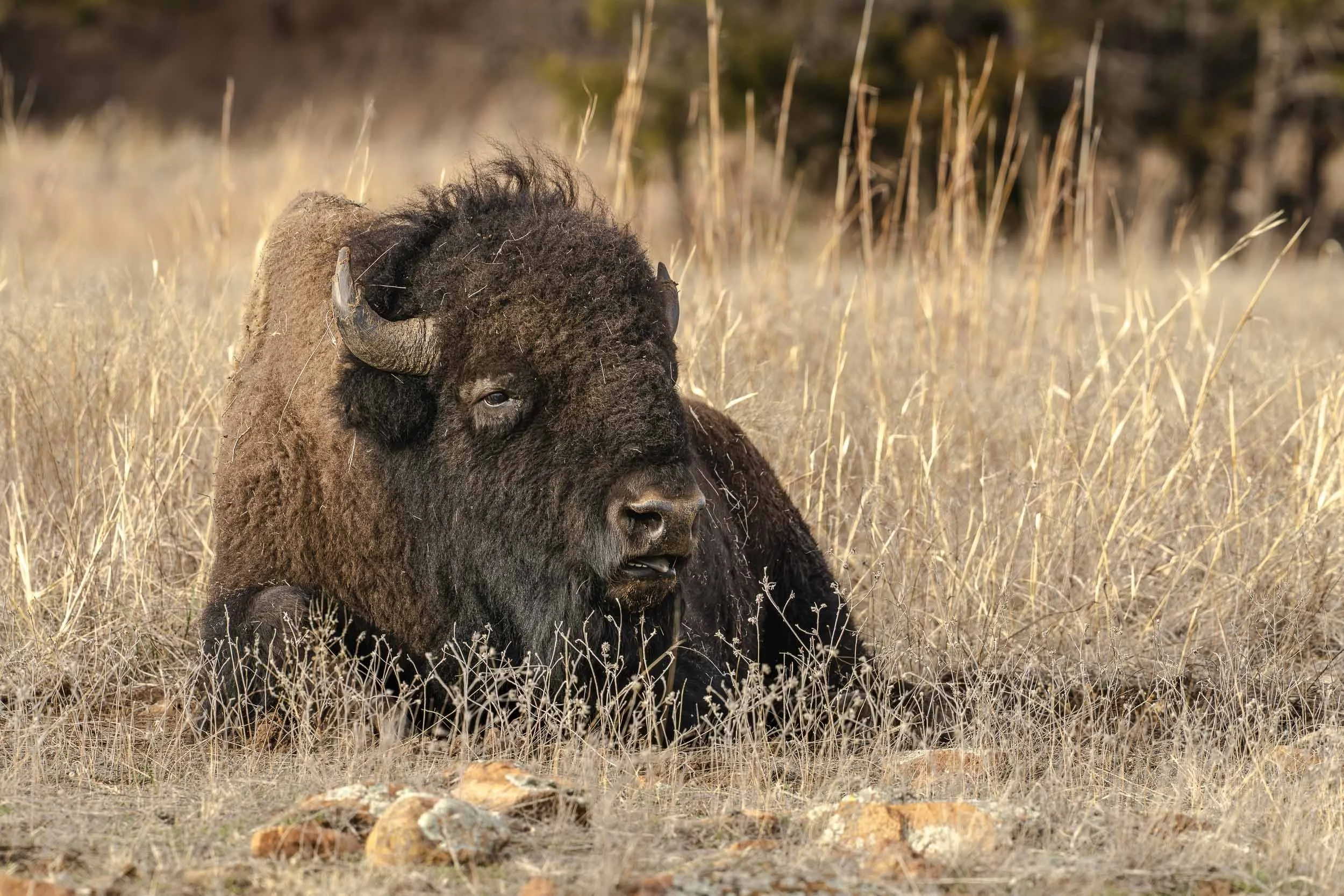
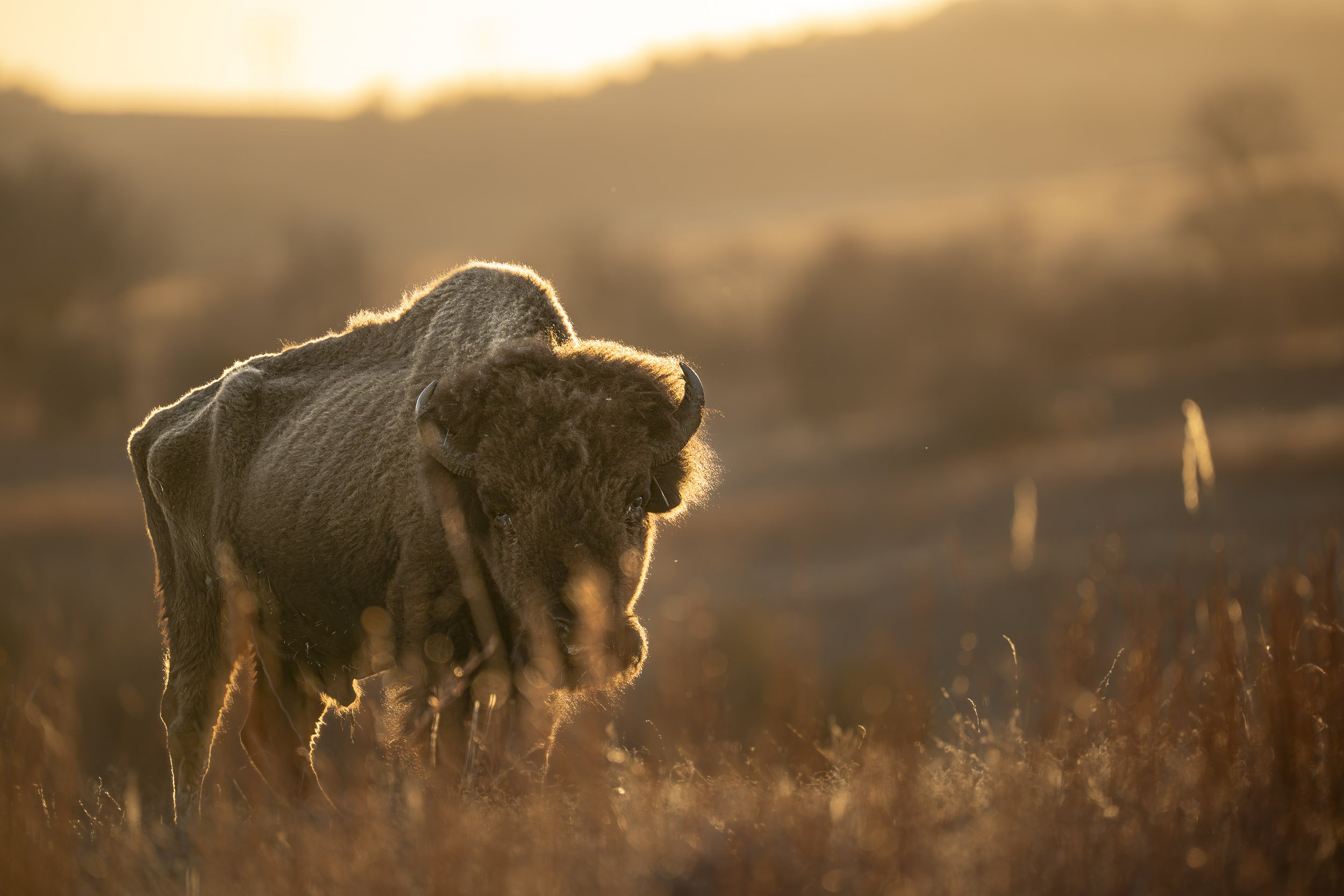
Golden hour in Oklahoma can be spectacular, and the warm light helped bring out the rich tones in both the bison and the surrounding prairie.
Wildlife photography often rewards patience, and many of the best moments happened when I waited and watched the herd move naturally through the landscape.
Photographing Bison
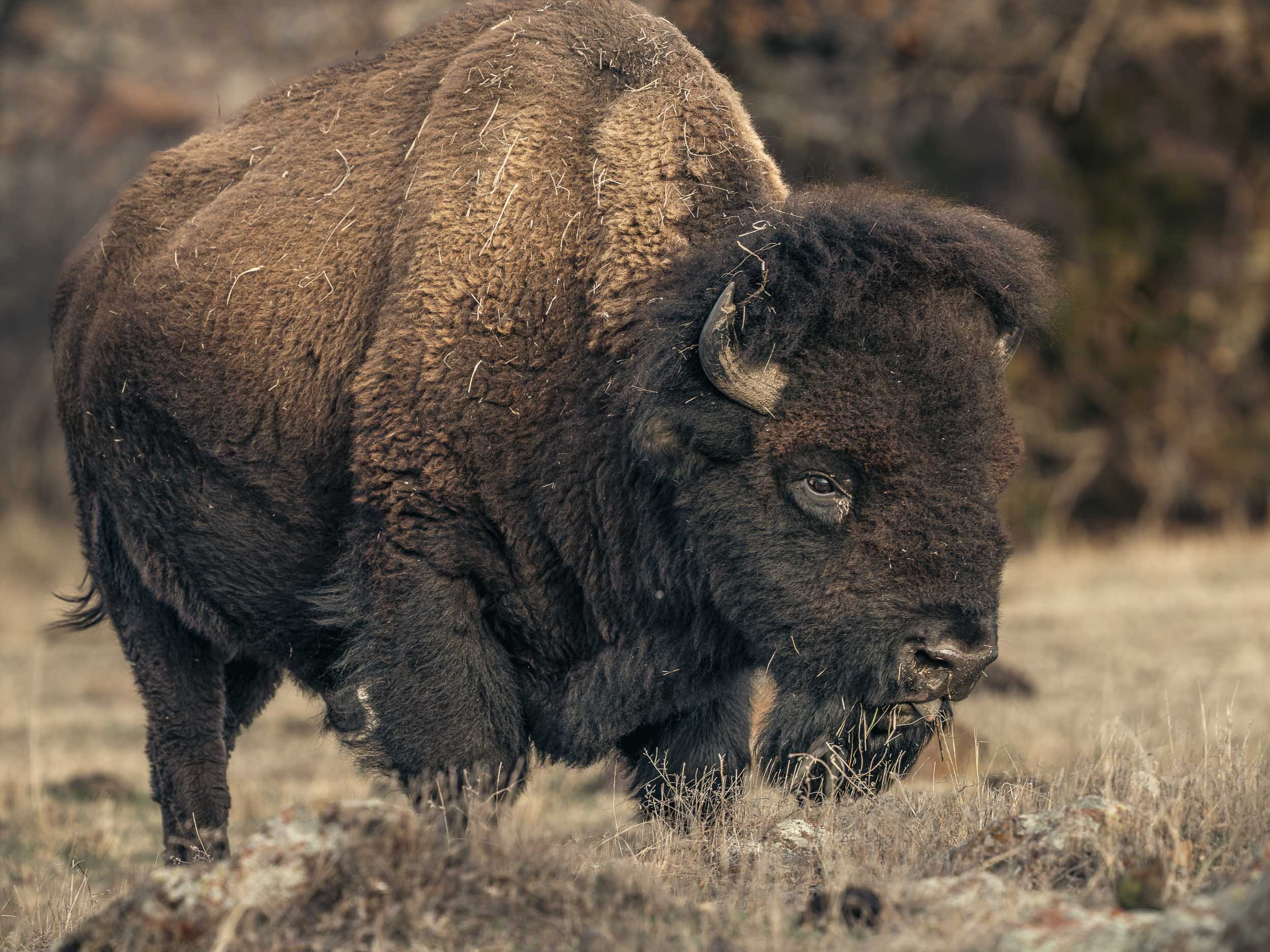
Bison are one of my favorite animals to photograph. Despite their enormous size, they often move slowly and deliberately while grazing, giving you time to observe their behavior. However, don’t confuse their slow, deliberate movement with predictability — these massive mammals demand respect.
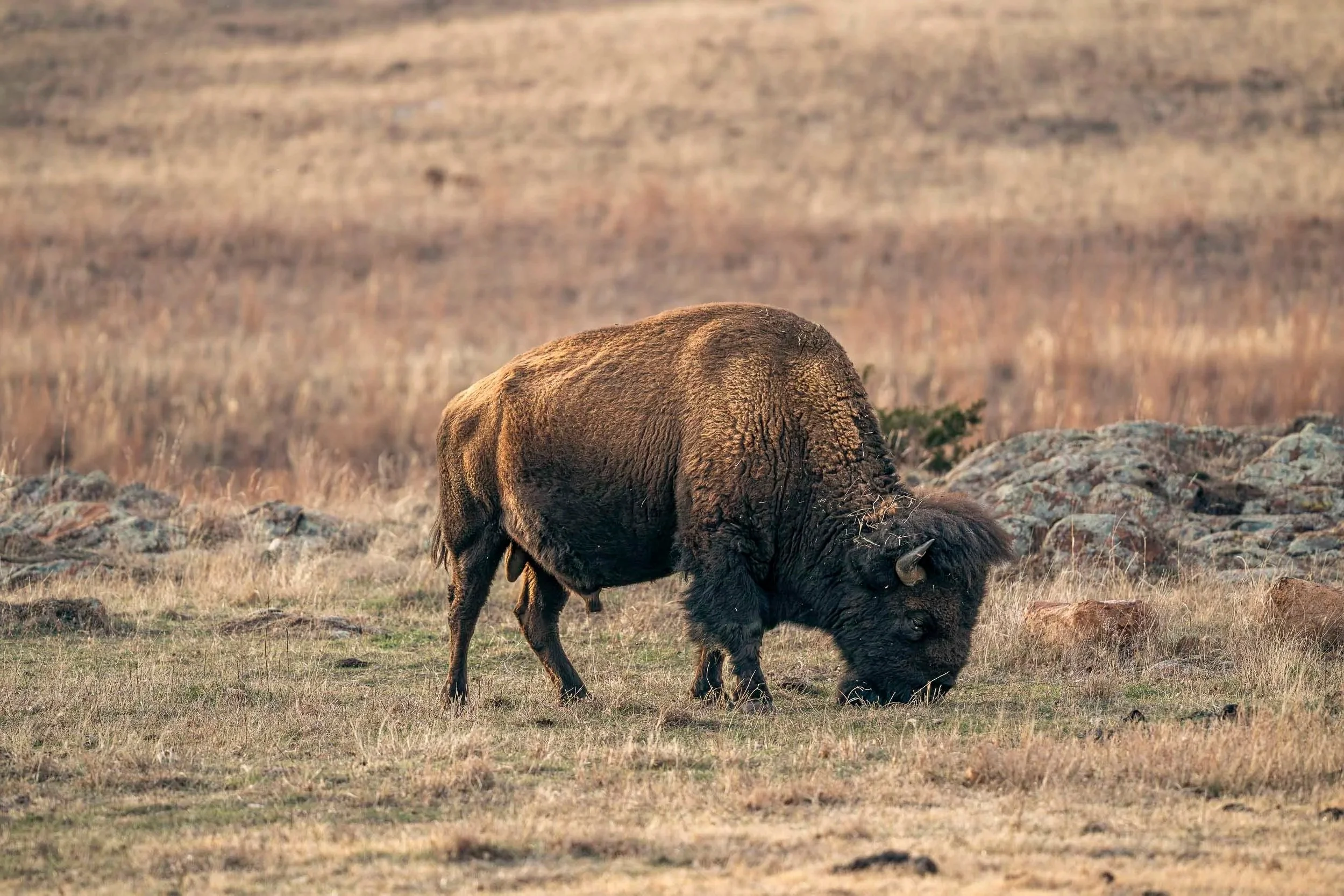
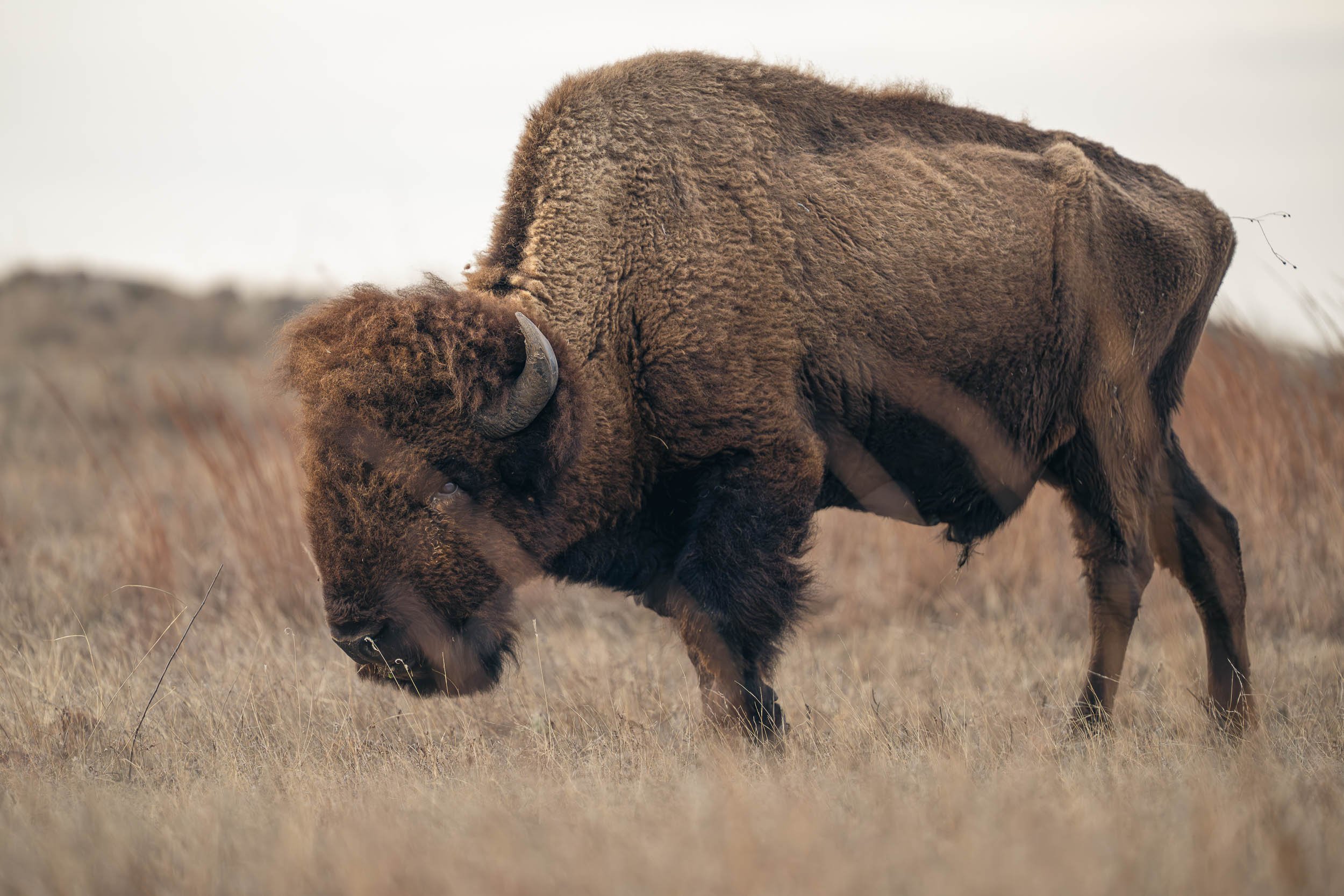
Getting too close isn’t just risky — it’s unnecessary. Wildlife photography is often about maintaining distance while still capturing intimate moments. This is where the right lens makes all the difference.
Working with the 300–600mm
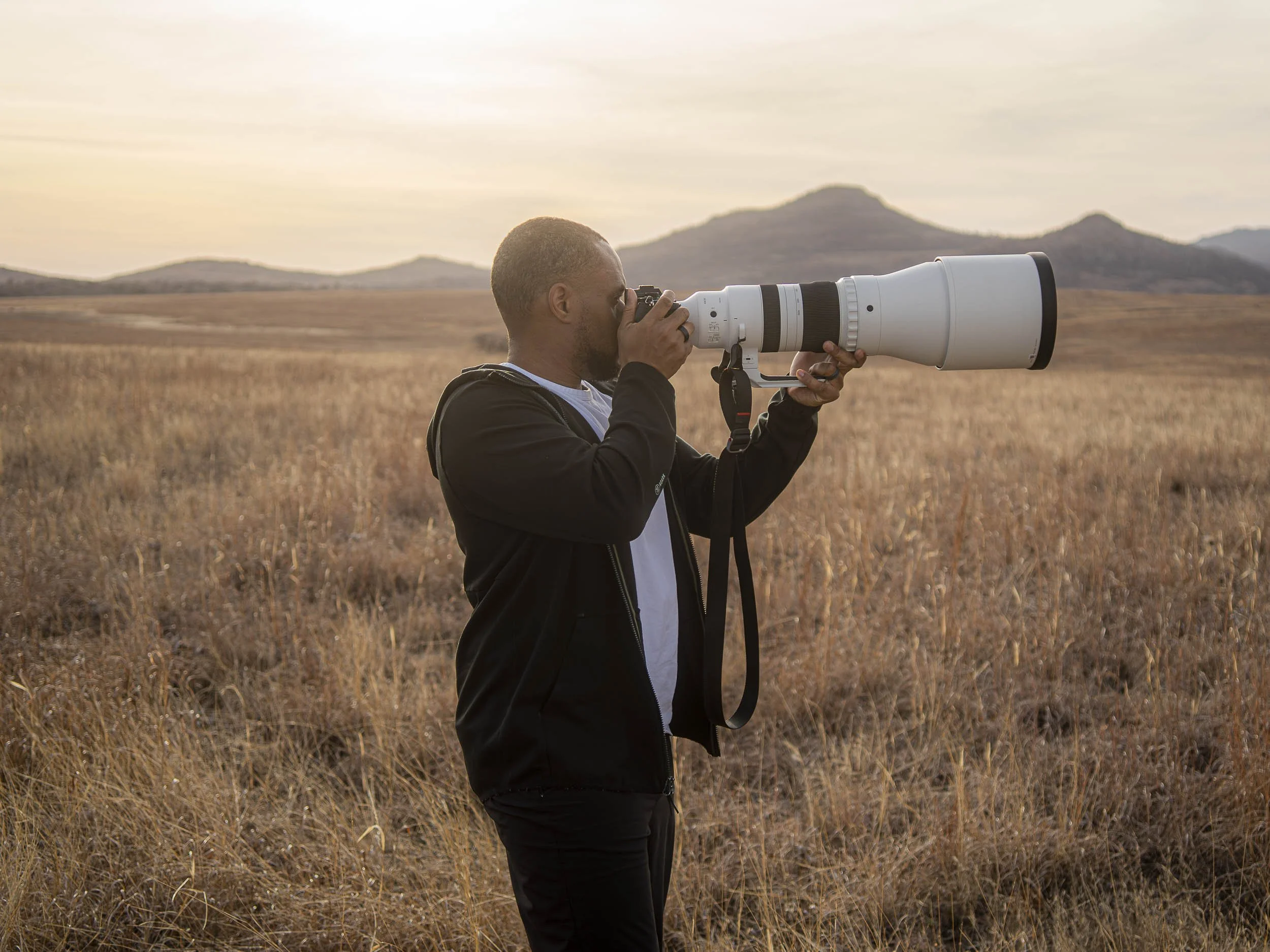
For this trip I relied on the Sigma 300–600mm ƒ4 DG OS | Sports, on both the Sony A7 IV and A7R V.
The focal range proved incredibly useful in the field. At 600mm I could isolate individual animals from across the prairie, compressing the landscape and drawing attention to the details that make bison so visually striking — the heavy fur along their shoulders, the curve of their horns, and the grass in their mouth.
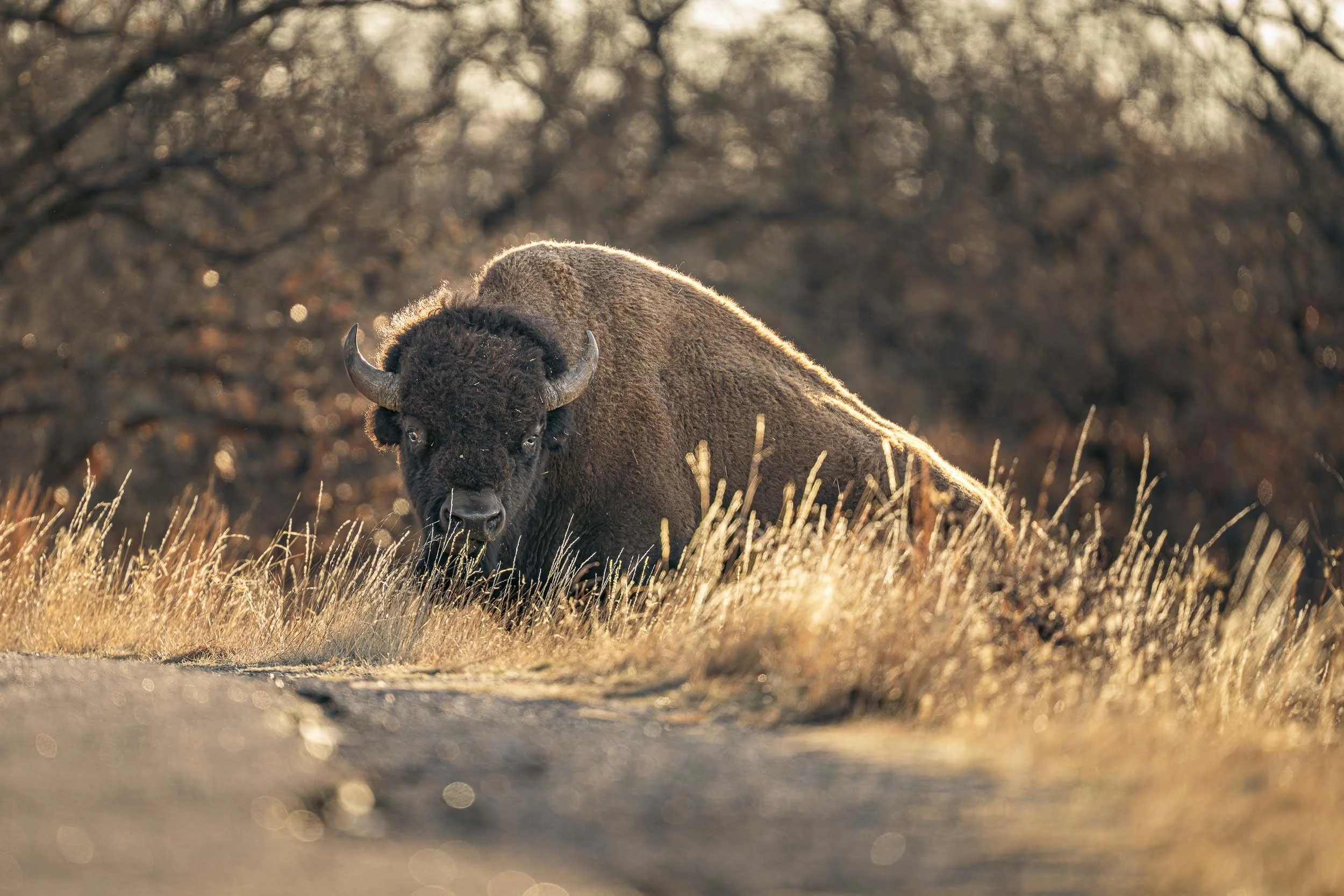
When animals wandered closer to the road, being able to zoom back to 300mm allowed me to give the scene more breathing room while still keeping the subject prominent in the frame.
Having that flexibility meant I rarely needed to change lenses, which is a major advantage when wildlife appears unexpectedly.
Sharp Images in Changing Conditions
Wildlife photography often happens in challenging lighting conditions. Sunrise and sunset are when animals are most active, but those are also the moments when light is limited and constantly changing.
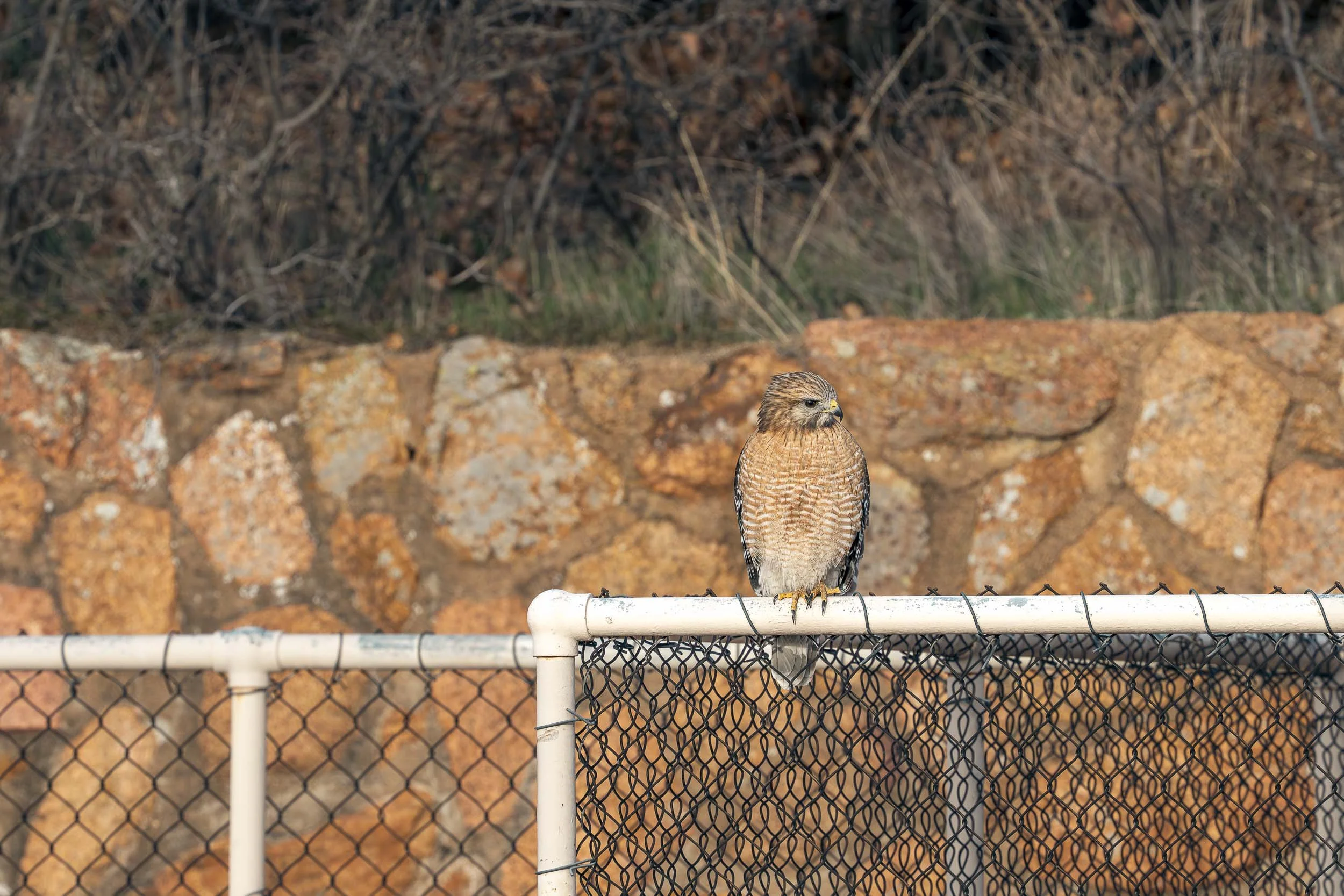
Sony A7R V | 600 MM, F8, 1/800S, ISO 400
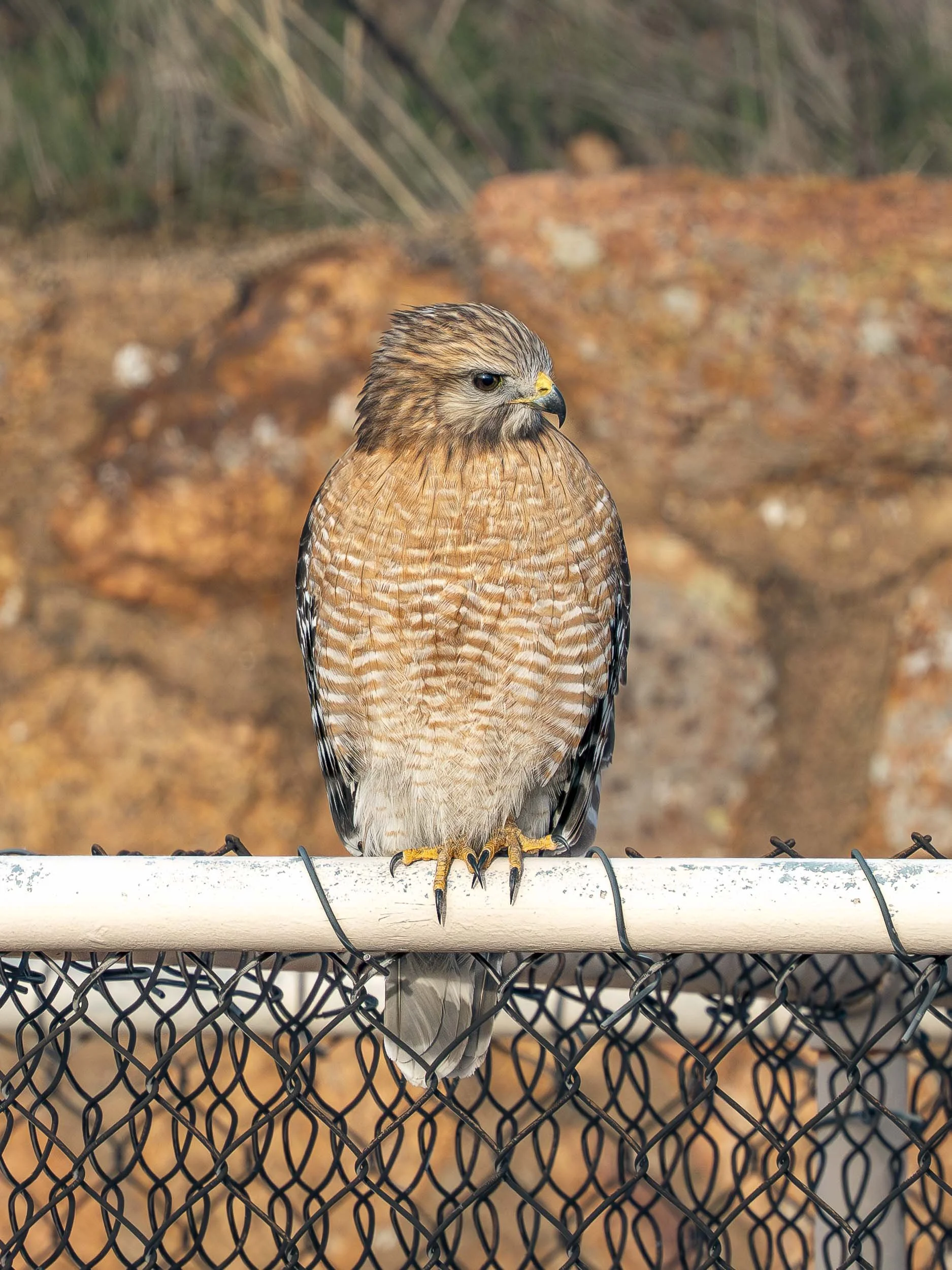
The constant F4 aperture made a noticeable difference during these hours. It allowed me to maintain fast shutter speeds while keeping my ISO under control, especially during the first moments of light when the prairie was just beginning to glow.
The built-in stabilization also proved helpful when shooting handheld. While I spent plenty of time working from stable positions, wildlife rarely waits for you to set up perfectly. The ability to quickly frame and capture moments as they unfolded made a big difference throughout the trip.
Unexpected Wildlife
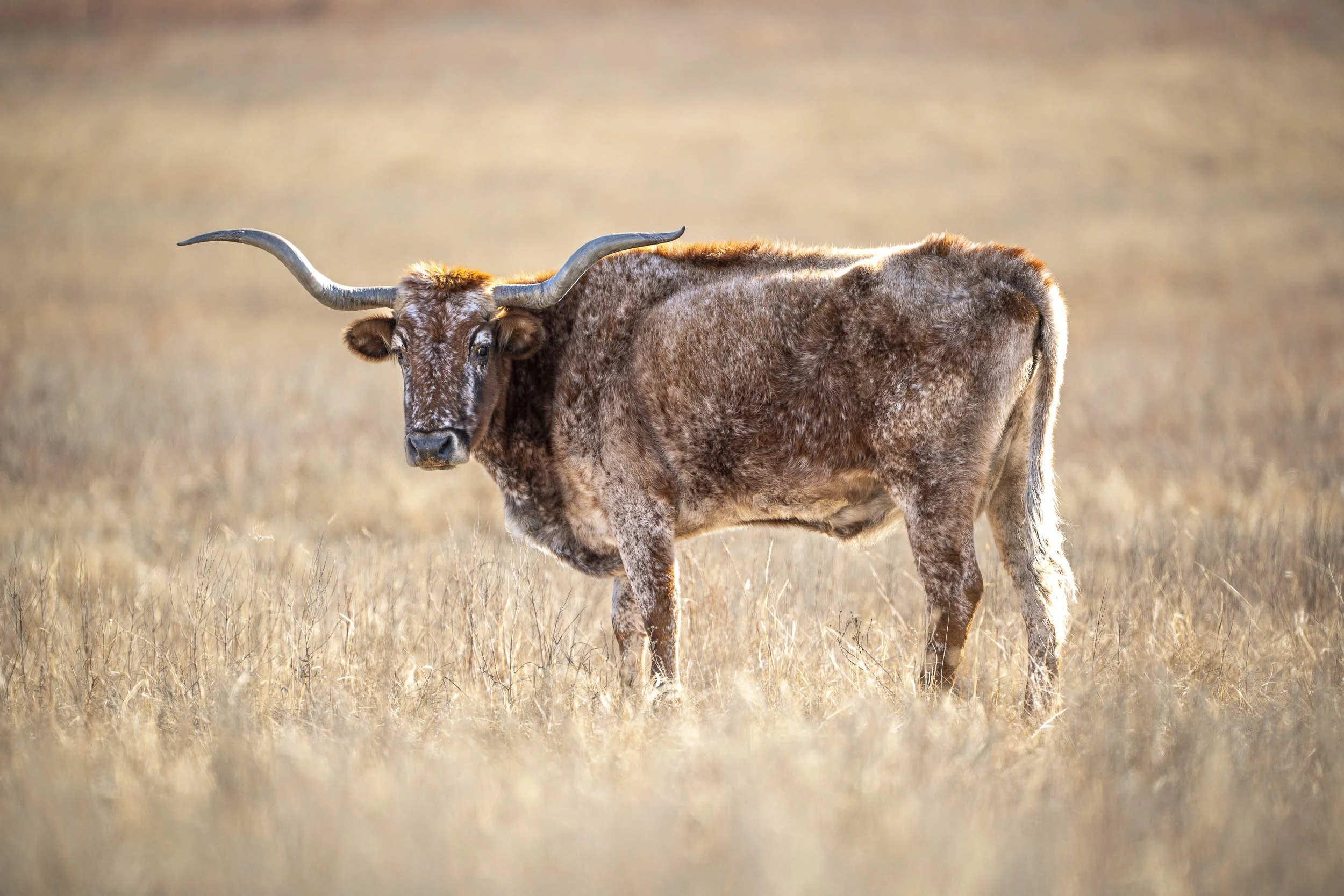
Although bison were the primary focus of the trip, the refuge offered far more than just one species.
Falcons occasionally appeared overhead, scanning the grasslands below, while a mangy coyote wandered cautiously through the prairie one afternoon. Moments like these are part of what makes wildlife photography so rewarding. You never know exactly what the landscape will reveal.
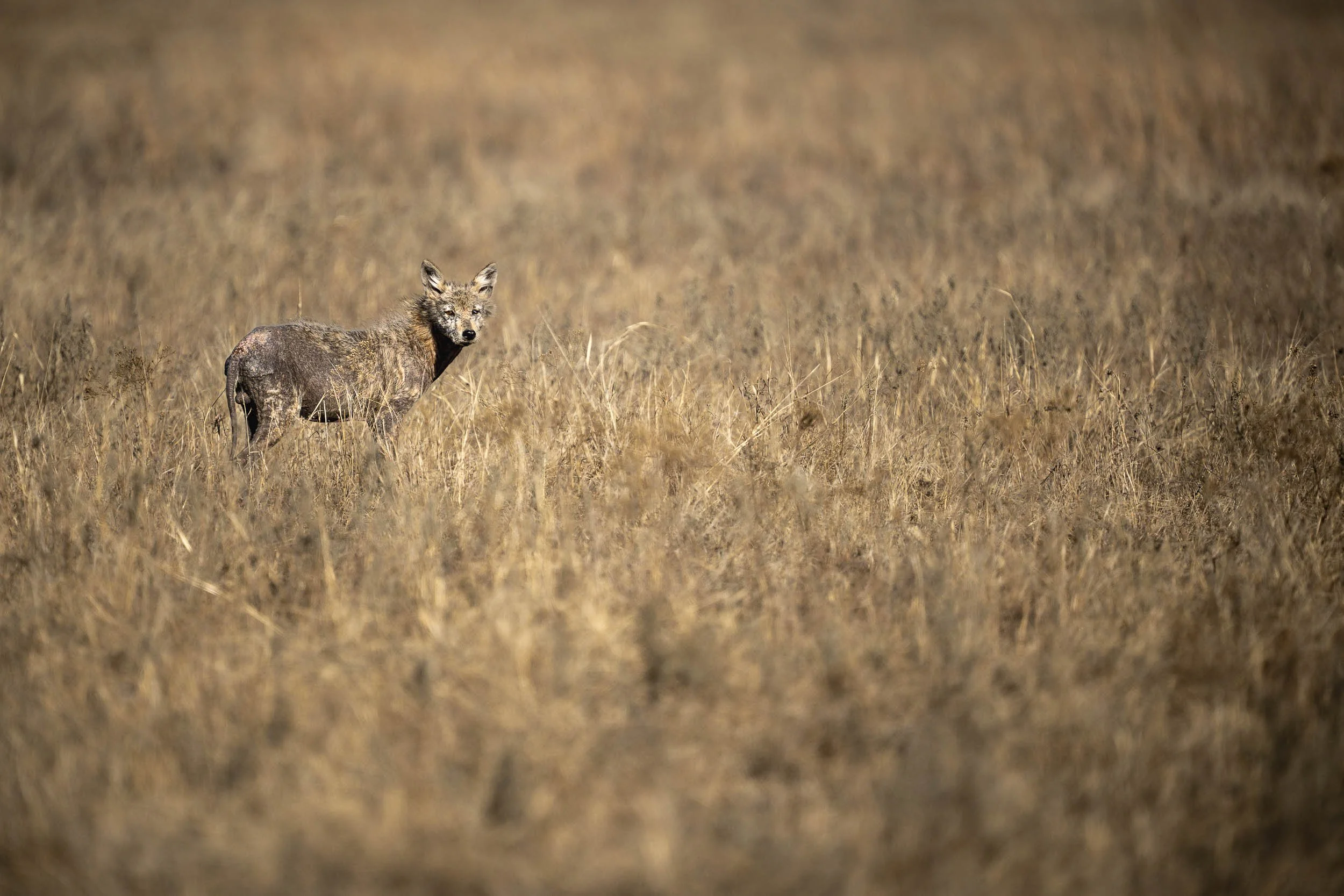
Having a long telephoto lens made it possible to capture these fleeting encounters without disturbing the animals.
Final Thoughts
For photographers looking for an accessible location to experience wildlife, the Wichita Mountains Wildlife Refuge is a remarkable place to explore.
It has open prairie, roaming bison, longhorn cattle, birds of prey, and rugged mountain backdrops, creating endless photography opportunities. Whether you’re capturing sweeping landscapes or intimate wildlife portraits, the refuge offers something new around every corner. For me, it was four days well spent watching the prairie and waiting patiently for those brief moments when everything aligns.
And of course, doing my best to avoid getting trampled along the way.